

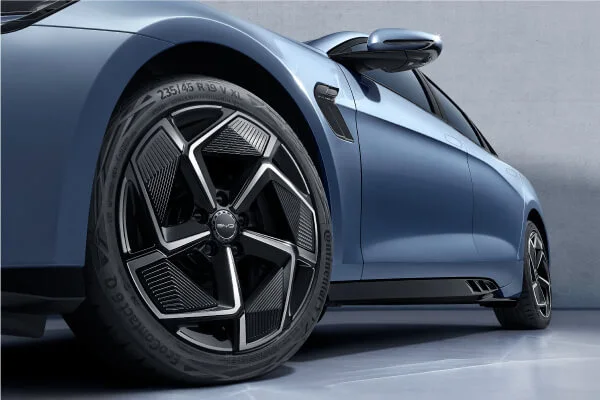
What Every EV Owner Needs to Know Before Their Next Tyre Change
Electric vehicles are everywhere on Singapore roads now. Tesla, BYD, Hyundai IONIQ, Kia EV6 the range has grown fast, and so has the number of drivers discovering something unexpected: Electric Vehicle Tyres Singapore aren’t the same as regular tyres. If you’ve recently bought an EV or you’re approaching your first tyre change, this guide is written for you.
EV tyres are engineered to handle a very specific set of demands that standard passenger tyres simply weren’t designed for. Getting the right EV Tyre Singapore fitted by someone who actually understands electric vehicles makes a measurable difference to your range, your ride, and your safety.
Why EV Tyres Are Different And Why It Matters
Most drivers don’t realise that Electric Vehicle Tyres Singapore carry a fundamentally different engineering brief to conventional tyres. Here’s what your EV is putting tyres through that a petrol car doesn’t:
Instant torque from a standing start
Electric motors deliver their maximum torque immediately, the moment you press the accelerator, full power goes to the wheels. This is what makes EVs feel so quick off the line, but it also means the tyres experience intense rotational stress that conventional tyres wear against faster. EV-specific tyres use reinforced compounds that handle this without degrading prematurely.
Heavier vehicle weight
EV battery packs are heavy. A mid-size electric sedan is typically 20–30% heavier than its petrol equivalent. That extra weight sits on your tyres constantly not just when accelerating. EV tyres have stiffer internal structures to support that load without deforming, which protects both the tyre and your handling.
Rolling resistance and range
Every kilometre of range your EV delivers depends partly on how efficiently your tyres roll. Electric Vehicle Tyres Singapore are designed with low rolling resistance compounds that reduce the energy lost between tyre and road. Fitting standard tyres to an EV can reduce your real-world range by 5-10% a meaningful hit in daily driving.
Noise levels
EVs are significantly quieter than petrol cars, which means road noise becomes far more noticeable. EV tyres use special foam inserts or sound-dampening compounds to absorb tyre noise keeping the cabin quiet in a way that standard tyres, mounted on a silent drivetrain, simply can’t match.
What to Look for When Choosing EV Tyres in Singapore?
When you visit a reputable EV Tyre Shop Singapore, you should expect your tyre specialist to discuss the following before recommending any product:
- OEM approval markers look for tyres marked with manufacturer approvals specific to your EV model (e.g., the ‘T-Mark’ for Tesla, ‘AO’ for Audi EV, ‘EV’ or ‘SoundComfort’ labelling)
- Load index your EV’s heavier kerb weight requires a tyre with a higher load rating than a standard vehicle of the same size
- Rolling resistance rating directly affects your range; A-rated tyres on the EU label offer the best efficiency
- Wet grip performance critical in Singapore’s rain-heavy climate; don’t compromise on wet grip for the sake of range
- Noise comfort for EV drivers, acoustic comfort is a legitimate performance criterion, not a luxury
A good EV Tyre Specialist Singapore will ask about your typical driving pattern mostly city driving, highway commuting, or a mix before making a recommendation. The right tyre for a BYD Atto 3 driven mostly in the city is not necessarily the right tyre for a Tesla Model Y doing regular expressway runs.
Why Choosing the Right EV Tyre Shop in Singapore Matters
Not every tyre shop in Singapore has experience with electric vehicles. The equipment, the knowledge, and the product range all differ from a standard tyre workshop. When you bring your EV in for a tyre change, you want a EV Tyre Shop Singapore that:
- Electric Vehicle Tyres Singapore in stock not just whatever fits the rim size
- Has proper wheel alignment equipment calibrated for EV weight distributions
- Understands TPMS (Tyre Pressure Monitoring Systems) calibration, which is standard on most modern EVs
- Knows the specific torque settings and handling requirements for your EV model’s wheels and hubs
- Can advise on tyre rotation schedules particularly important for rear-wheel and all-wheel drive EVs where rear tyres wear faster
evtyre.sg is a dedicated EV Tyre Specialist Singapore in Singapore focused exclusively on Electric Vehicle Tyres Singapore. That specialisation matters, it means the team understands the specific demands of electric vehicles, stocks tyres built for EV performance, and carries out fitting with the care that modern EVs require.
Conclusion
Switching to an electric vehicle is a significant upgrade. Treating your EV Tyres Singapore as an afterthought works against that investment. The right Electric Vehicle Tyres Singapore properly chosen and correctly fitted improve your range, protect your vehicle, and keep you safer on Singapore’s roads.
Whether you’re due for EV Tyre Replacement Singapore or just want advice on what your EV should be running, visit evtyre.sg a EV Tyre Shop Singapore built specifically for Singapore’s growing community of EV drivers.
Frequently Asked Questions
1. Can I fit regular car tyres on my electric vehicle in Singapore?
Technically yes, if the size matches but it’s not recommended. Standard tyres aren’t engineered for the instant torque, additional weight, or rolling resistance requirements of an EV. Using regular tyres on an EV leads to faster wear, reduced range, and a noisier cabin. Always use tyres designed or approved for EV Tyres Singapore.
2. How often should I expect to replace EV tyres in Singapore?
Most EV drivers in Singapore need EV Tyre Replacement Singapore every 25,000–40,000 km, depending on the vehicle, driving style, and tyre brand. Rear tyres on rear-wheel drive EVs often wear faster. Regular tyre rotation (every 8,000–10,000 km) helps equalise wear and extend tyre life.
3. Are EV tyres more expensive than regular tyres?
Yes, EV Tyre Singapore typically costs 10–30% more than equivalent conventional tyres. However, using the correct tyre protects your range, reduces wear, and prevents the kind of handling issues that can come from using an unsuitable product on a heavy, high-torque vehicle. The difference in cost per kilometre is smaller than it appears.
4. What is TPMS and do EV tyre specialists in Singapore handle it?
TPMS (Tyre Pressure Monitoring System) is standard on most modern EVs and alerts you when tyre pressure drops. When tyres are changed, the TPMS sensors need to be reset or re-paired to the new tyres. A proper EV Tyre Specialist Singapore handles TPMS calibration as part of the fitting service this is one of the reasons choosing a specialist matters over a general tyre shop.
5. Does tyre pressure affect EV range in Singapore’s climate?
Yes, significantly. Under-inflated tyres increase rolling resistance, which directly reduces your EV’s range. In Singapore’s heat, tyre pressure fluctuates more than in temperate climates pressure rises when the tyre warms up and drops overnight when temperatures fall. Check your EV Tyre Singapore pressure at least monthly and always refer to your vehicle’s recommended cold inflation pressure, not the maximum listed on the tyre sidewall.